
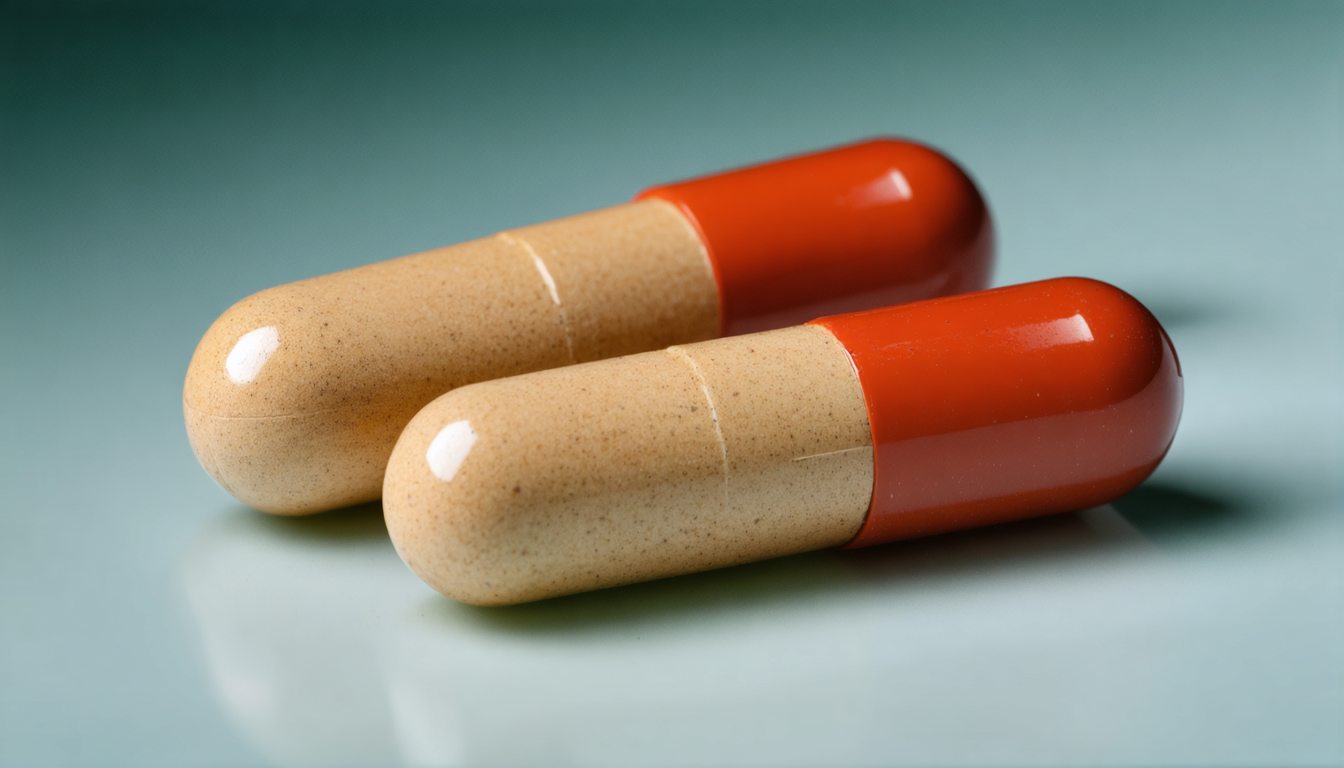
Best pills for erection: glossary, explanation and practical checklist
Disclaimer: This article is for informational purposes only and does not replace professional medical advice. Erectile dysfunction (ED) may be a sign of underlying cardiovascular, hormonal, or psychological conditions. Always consult a qualified healthcare professional before starting or changing any medication.
Key terms (glossary)
- Erectile dysfunction (ED)
- Persistent difficulty achieving or maintaining an erection sufficient for satisfactory sexual activity.
- PDE5 inhibitors
- A class of medications (e.g., sildenafil, tadalafil, vardenafil, avanafil) that enhance blood flow to the penis.
- Sildenafil
- Active ingredient in Viagra®, typically taken 30–60 minutes before sexual activity.
- Tadalafil
- Active ingredient in Cialis®, known for longer duration of action (up to 36 hours).
- Vardenafil
- PDE5 inhibitor with a similar onset to sildenafil, sometimes preferred for specific patient profiles.
- Avanafil
- Newer PDE5 inhibitor with relatively rapid onset of action.
- Nitric oxide (NO)
- A molecule that relaxes blood vessels and plays a central role in erection physiology.
- cGMP (cyclic guanosine monophosphate)
- Messenger molecule that helps penile smooth muscle relax and fill with blood.
- Hypogonadism
- Condition characterized by low testosterone levels.
- Testosterone
- Main male sex hormone influencing libido and sexual function.
- Psychogenic ED
- Erectile dysfunction primarily caused by psychological factors such as anxiety or depression.
- Vasculogenic ED
- ED caused by impaired blood flow due to vascular disease.
- Priapism
- A prolonged and painful erection lasting more than 4 hours; a medical emergency.
- Contraindications
- Conditions or medications that make a specific treatment unsafe.
- Cardiovascular risk
- The likelihood of heart or blood vessel disease, closely linked to ED.
Clear explanation
1. Why erection problems occur
Erection is a vascular event controlled by nerves, hormones, and psychological stimuli. The most common causes of ED include:
- Vascular disorders (atherosclerosis, hypertension, diabetes).
- Neurological conditions (nerve injury, multiple sclerosis).
- Hormonal imbalance (low testosterone).
- Psychological factors (performance anxiety, depression).
- Lifestyle factors (smoking, obesity, alcohol misuse).
In many men, ED is multifactorial, combining physical and psychological components.
2. How the best pills for erection work
The best pills for erection in modern clinical practice are usually PDE5 inhibitors. They do not create an automatic erection; instead, they enhance the natural response to sexual stimulation.
During arousal, nitric oxide (NO) is released in penile tissue. This increases cGMP, relaxing smooth muscle and allowing blood to fill the corpora cavernosa. PDE5 inhibitors block the enzyme that breaks down cGMP, thereby prolonging and strengthening the erection.
Main options include:
- Sildenafil – effective for 4–6 hours.
- Tadalafil – lasts up to 36 hours; also available in daily low doses.
- Vardenafil – similar profile to sildenafil.
- Avanafil – faster onset in some patients.
3. How ED is diagnosed
Before prescribing the best pills for erection, a clinician may:
- Take a detailed medical and sexual history.
- Assess cardiovascular risk.
- Order blood tests (glucose, lipids, testosterone).
- Evaluate psychological factors.
Because ED can be an early marker of cardiovascular disease, proper assessment is essential.
4. Treatment approaches beyond pills
While PDE5 inhibitors are first-line therapy, additional strategies may include:
- Lifestyle changes (weight loss, exercise, smoking cessation).
- Psychotherapy or couples counseling.
- Testosterone replacement therapy (if indicated).
- Vacuum erection devices or injectable medications.
Choosing the best pills for erection depends on medical history, personal preference, frequency of sexual activity, and tolerance of side effects.
Reader checklist
What you can do
- Schedule a medical evaluation before starting any ED medication.
- Discuss all current medications (especially nitrates or alpha-blockers).
- Adopt heart-healthy habits (exercise, Mediterranean-style diet).
- Manage stress and sleep adequately.
- Follow prescribed dosage strictly.
What to avoid
- Buying ED pills from unverified online sources.
- Combining PDE5 inhibitors with nitrates (risk of severe hypotension).
- Excessive alcohol intake before taking medication.
- Increasing dose without medical approval.
When to see a doctor urgently
- Erection lasting more than 4 hours (possible priapism).
- Chest pain after taking ED medication.
- Sudden vision or hearing loss.
- Severe dizziness or fainting.
Key concepts in simple words
| Term | In simple words | Why it matters |
|---|---|---|
| PDE5 inhibitor | A drug that helps blood stay in the penis longer | Main group of the best pills for erection |
| Nitric oxide | A natural chemical that relaxes blood vessels | Essential for normal erections |
| Testosterone | Male sex hormone | Low levels can reduce libido and erection quality |
| Priapism | Dangerously long erection | Requires emergency treatment |
| Vasculogenic ED | Erection problem due to poor blood flow | Often linked to heart disease |
Specialist comment (generalized): In clinical practice, PDE5 inhibitors are considered safe and effective for most men when prescribed appropriately. However, erectile dysfunction should never be viewed in isolation. It may reflect broader cardiovascular or metabolic health issues that require comprehensive evaluation.
Understanding medical risks is important not only for sexual health but also for overall well-being. For example, men interested in lifestyle risk factors can explore broader topics in our Health and risk awareness section. If you are curious how lifestyle habits intersect with entertainment behaviors, see our overview of casino francais en ligne trends. You can also browse updates in Без рубрики for related discussions.
Sources
- American Urological Association (AUA). Guideline on the Management of Erectile Dysfunction.
- European Association of Urology (EAU). EAU Guidelines on Sexual and Reproductive Health.
- National Institute of Diabetes and Digestive and Kidney Diseases (NIDDK). Erectile Dysfunction overview.
- Mayo Clinic. Erectile dysfunction – Diagnosis and treatment.
If exact statistical values are not provided in this article, readers are encouraged to consult the official guideline documents above for detailed data and evidence grading.