
Best pills for erection
This page provides educational information only and is not a substitute for professional medical advice, diagnosis, or treatment. Always consult a qualified healthcare professional for personal recommendations.
Basics: what it is
Erection problems—commonly called erectile dysfunction (ED)—describe persistent difficulty achieving or maintaining an erection sufficient for sexual activity. Occasional issues are common and often linked to stress or fatigue. When problems are ongoing, they may reflect vascular, neurologic, hormonal, psychological, or medication-related factors.
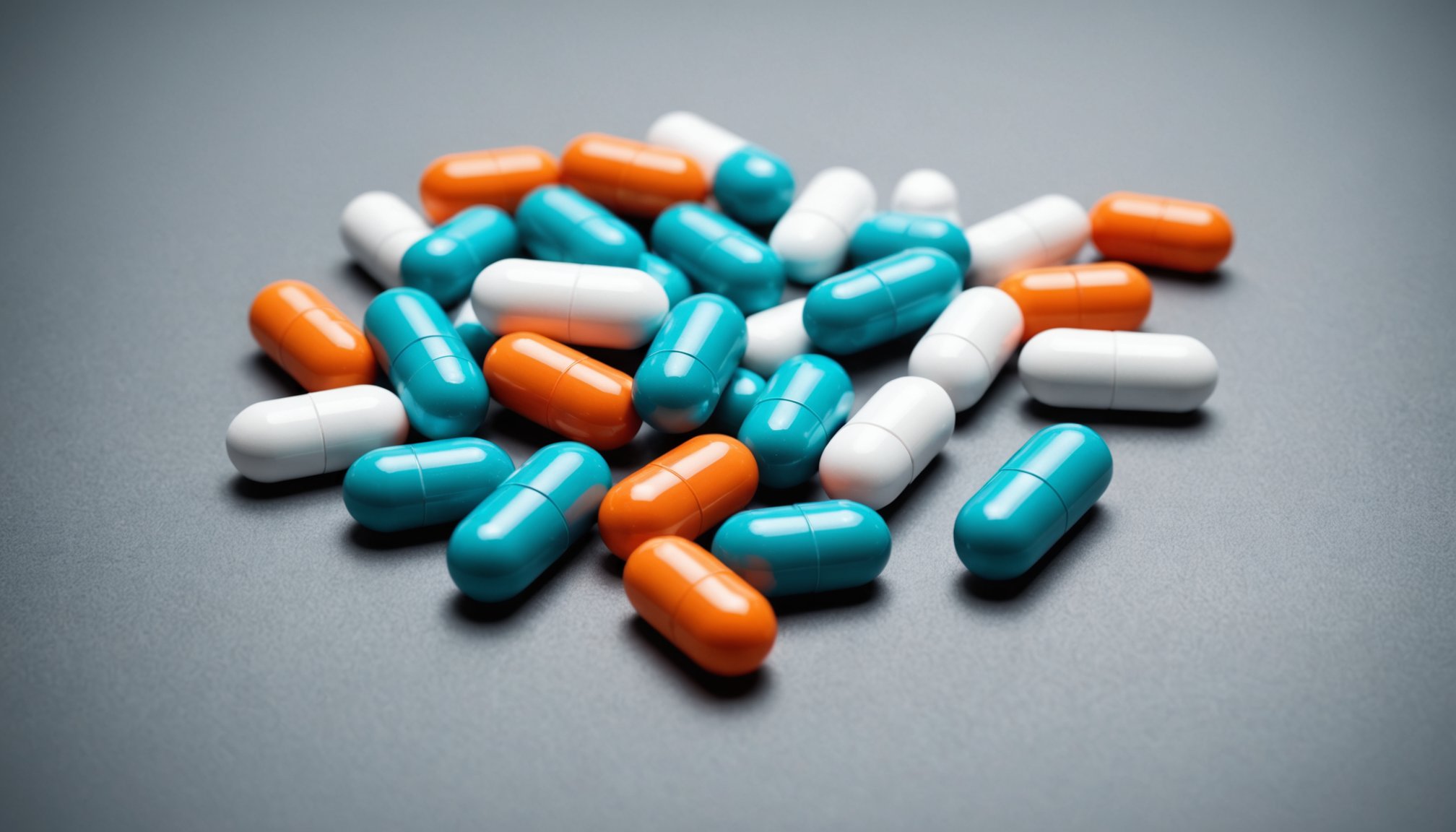
The phrase “best pills for erection” usually refers to oral medications that improve penile blood flow or support sexual response. The most studied options are prescription phosphodiesterase type 5 (PDE5) inhibitors. Other categories include hormone therapy (for documented deficiencies) and selected supplements with limited evidence.
Symptoms and signs
- Difficulty getting an erection: despite sexual stimulation.
- Difficulty maintaining an erection: erection fades before or during intercourse.
- Reduced rigidity: erections feel softer than before.
- Lower sexual confidence: anxiety or avoidance related to performance.
- Associated symptoms: low libido, fatigue, mood changes (may suggest hormonal or psychological contributors).
Similar conditions: how to differentiate
| Condition | Key features | How it differs from ED |
|---|---|---|
| Low libido | Reduced sexual desire | Desire is low, but erections may be normal when aroused |
| Premature ejaculation | Early ejaculation | Erections are typically adequate |
| Performance anxiety | Situational difficulty | Erections may be normal during masturbation or sleep |
| Peyronie’s disease | Penile curvature, pain | Mechanical deformity rather than blood-flow limitation |
Diagnosis
Evaluation typically focuses on identifying reversible causes and ensuring safe treatment selection:
- Medical history: cardiovascular risk, diabetes, hypertension, surgeries, medications.
- Sexual history: onset, consistency, situational factors.
- Physical exam: vascular, neurologic, and genital assessment.
- Laboratory tests: glucose/HbA1c, lipids, testosterone (when indicated), thyroid tests.
- Additional tests: nocturnal penile tumescence or vascular studies in selected cases.
What usually helps
Management often combines lifestyle optimization, addressing underlying conditions, and—when appropriate—medication.
Prescription pills (most evidence)
PDE5 inhibitors enhance nitric oxide–mediated blood flow to the penis during sexual stimulation. Common agents include sildenafil, tadalafil, vardenafil, and avanafil. They differ in onset, duration, food interactions, and side-effect profiles. A clinician helps match the option to your needs and safety considerations.
Hormone therapy (selected cases)
For men with confirmed testosterone deficiency, testosterone therapy may improve libido and erectile response. It is not recommended without documented deficiency.
Non-pill options
Vacuum erection devices, penile injections, intraurethral therapy, counseling, and pelvic floor training can be effective—especially when pills are contraindicated or insufficient.
Lifestyle measures
- Regular physical activity and weight management
- Smoking cessation and moderation of alcohol
- Optimizing sleep and stress management
- Control of blood pressure, glucose, and lipids
For related site topics, see our guides on casino francais en ligne trends, Без рубрики health notes, and Pin Up Az lifestyle overview. Another contextual read: online habits and wellbeing.
How PDE5 inhibitors work (mechanism)
They inhibit the PDE5 enzyme, preserving cyclic GMP in penile tissue, which relaxes smooth muscle and improves arterial inflow during sexual arousal.
Why cardiovascular health matters
ED can be an early marker of endothelial dysfunction. Addressing heart health often improves erectile function.
Food and timing considerations
Some agents are affected by high-fat meals; others have longer half-lives that allow more spontaneity.
Common side effects and safety
Headache, flushing, nasal congestion, dyspepsia, and visual changes may occur. Concomitant nitrate use is contraindicated.
Psychological contributors
Anxiety, depression, and relationship stress can reduce response to pills; counseling can enhance outcomes.
Supplements: what the evidence says
Most supplements lack robust evidence and may vary in quality. Discuss any use with a clinician.
FAQ
What are the best pills for erection?
Prescription PDE5 inhibitors have the strongest evidence. The “best” choice depends on health status, preferences, and safety.
Do these pills work without arousal?
No. Sexual stimulation is required for effect.
Are they safe for everyone?
They are unsafe with nitrates and require caution with certain heart conditions—medical review is essential.
How quickly do they work?
Onset varies by agent; duration ranges from several hours to over a day.
Can I take them daily?
Some formulations allow daily use under medical guidance.
What if pills don’t work?
Reassessment, dose optimization by a clinician, alternative therapies, or combination approaches may help.
Do lifestyle changes really matter?
Yes. Improving cardiovascular health often improves erectile function.
Sources
- American Urological Association (AUA) – Erectile Dysfunction Guidelines
- European Association of Urology (EAU) – Sexual and Reproductive Health Guidelines
- National Institutes of Health (NIH) – Erectile Dysfunction Overview
- Mayo Clinic – Erectile Dysfunction: Diagnosis & Treatment
- U.S. Food & Drug Administration (FDA) – PDE5 Inhibitors Safety Information